








































From the desk of a designer at heart, geek by nature, and business consultant by trade.
Your website isn’t just a digital brochure—it’s the cornerstone of your online presence. Having designed and optimized websites for over a decade, I’ve witnessed firsthand how the right approach can dramatically impact visibility, traffic, gen AI visibility and ultimately, your bottom line.
Today’s challenge isn’t simply getting found on Google—it’s about creating a digital ecosystem that performs exceptionally across traditional search engines while simultaneously positioning your business for success in emerging AI-powereddiscovery systems.
Let me walk you through the strategies that have consistently delivered results for my clients, balancing the technical requirements with the creative elements that make websites truly effective.
The SEO Landscape in 2025: What’s Changed
Before diving into specific strategies, let’s acknowledge the seismic shifts in search:
| SEO Factor | 2020 Importance | 2025 Importance |
| Page Load Speed | High | Critical |
| Mobile Optimization | Important | Mandatory |
| Content Quality | Important | Critical |
| User Experience | Medium | High |
| AI Readability | Not a factor | Critical |
| Schema Markup | Helpful | Essential |
| Core Web Vitals | New metric | Ranking factor |
The most significant change? AI systems now interpret your website differently than traditional search engines. While Google still dominates, AI assistants are increasingly becoming the first touch-point for consumers seeking information. This dual optimization requirement creates both challenges and opportunities.
1. Content Strategy: Finding the Perfect Balance
The Content Spectrum Dilemma
Early in my career, I made the classic mistake of believing “more is better” when it came to website content. After countless A/B tests and analyzing performance data across dozens of client websites, I’ve discovered that optimal content strategy exists on a spectrum:
Content-Heavy vs. Content-Driven Approaches
Content-heavy websites throw everything at the wall hoping something sticks. Content-driven websites, on the other hand, strategically deploy content with specific goals and audiences in mind.
I worked with a B2B software company that reduced their website content by 40% while increasing conversions by 28%. How? By shifting from quantity to quality—creating fewer, more substantial pieces that directly addressed their prospects’ specific pain points.
Technical Content vs. Content Authenticity
Here’s where balance becomes critical. Technical content demonstrates expertise and attracts industry insiders, while authentic, conversational content builds trust and emotional connection with potential customers.
One of my e-commerce clients struggled with this balance. Their product pages were technically perfect but lacked personality. We incorporated customer stories alongside technical specifications, resulting in a 32% increase in time-on-page and a 17% increase in conversion rate.
The Content Strategy That Works for Both SEO and AI
Based on my experience optimizing dozens of websites, here’s what consistently works:
- Topic Clusters: Organize content into comprehensive hubs around core topics, with supporting content branching out to address specific aspects. This structure helps both traditional search engines and AI systems understand your site’s topical authority.
- Intent-Based Content: Create distinct content types for different stages of the buyer’s journey:
- Awareness: Educational, problem-identification content
- Consideration: Solution-comparison content
- Decision: Product-specific, conversion-focused content
- Balanced Content Density: Aim for 1,500-2,500 words for core pages, focusing on comprehensive coverage without unnecessary fluff. I’ve found this sweet spot consistently performs well across both traditional search and AI discovery systems.
- Natural Language Processing (NLP) Optimization: Structure content to be easily parsed by AI systems:
- Clear headings following logical hierarchy
- Concise paragraphs addressing single concepts
- Question-and-answer formats for featured snippet opportunities
- Comprehensive coverage of related concepts
- E-E-A-T Signals: Expertise, Experience, Authoritativeness, and Trustworthiness—the pillars of quality content that both search engines and AI systems prioritize.
2. Design Strategy: Finding the Sweet Spot
The Weight-Performance Paradox
The tension between visually impressive design and technical performance creates one of the most challenging aspects of website optimization.
Design-Heavy vs. Lightweight Design
I’ve built sites across this spectrum, from media-rich experiences to minimalist designs. Here’s what the data consistently shows:
- Design-heavy sites: Higher initial engagement, higher bounce rates, lower conversion rates
- Lightweight designs: Lower initial wow factor, better performance metrics, higher conversion rates
This doesn’t mean abandoning creative design—it means being intentional about where and how you deploy design elements.
Business vs. Corporate vs. Interactive Approaches
The right approach depends entirely on your audience and objectives:
- Business websites (small to medium businesses): Focus on local search optimization, clear value propositions, and straightforward conversion paths.
- Corporate websites (larger organizations): Balance brand storytelling with comprehensive information architecture and technical optimization.
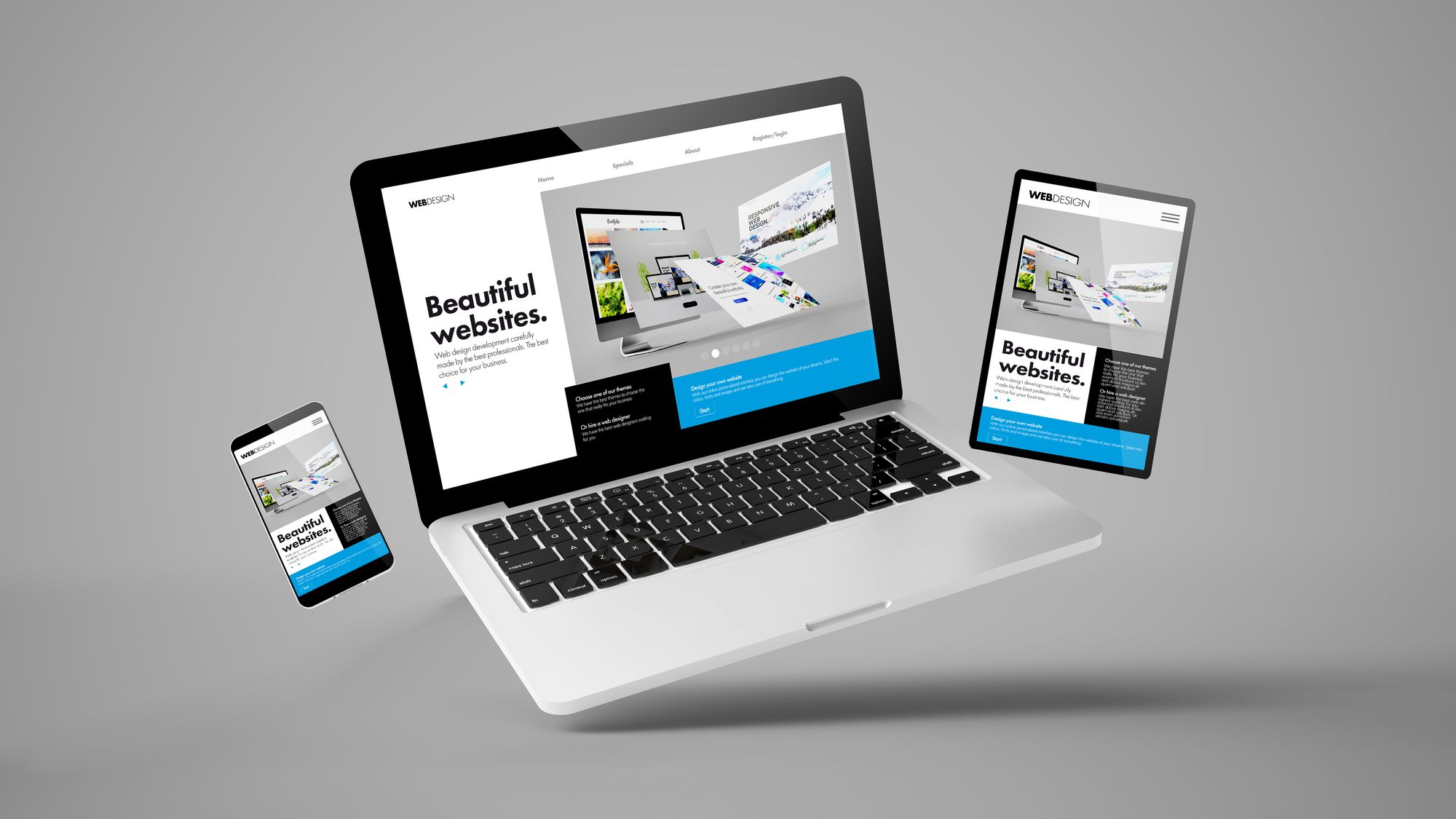
- Interactive JS-heavy websites (creative industries, technology): Use animation and interactivity strategically to enhance key messages while maintaining critical performance thresholds.
Design Elements That Impact SEO and AI Discovery
Based on my experience with website redesigns Exdera, these design elements consistently impact performance:
- Visual Hierarchy: Clear visual hierarchy helps both users and AI systems understand your content’s importance and relationships.
- White Space Utilization: Proper spacing improves readability for humans and parsing efficiency for AI crawlers.
- Image Optimization: Beyond compression, this includes descriptive filenames, alt text that provides context, and structured data for images.
- Core Web Vitals Optimization: Design choices directly impact critical metrics:
- Largest Contently Paint (LCP): The loading speed of your main content
- First Input Delay (FID): How quickly users can interact with your page
- Cumulative Layout Shift (CLS): Visual stability during page load
- Accessibility Design: Accessibility isn’t just about inclusivity—it creates clearer content structure that AI systems can better interpret.
The Performance-First Design Approach
After redesigning over 50 websites, I’ve developed a performance-first design methodology that consistently delivers results:
- Start with performance budgets: Define acceptable limits for page size, request counts, and loading times before design begins.
- Layer in critical design elements: Add visual elements that support key messages and conversion goals.
- Test with actual devices and connections: Don’t rely on your high-speed office connection—test on average mobile devices and typical connection speeds.
- Prioritize above-the-fold optimization: What users see immediately should load instantly.
- Defer non-essential resources: Use lazy loading and asynchronous loading for elements not immediately visible.
I recently redesigned an e-commerce site using this approach. By prioritizing critical content and deferring non-essential elements, we reduced page load time from 4.2 seconds to 1.8 seconds on mobile devices, resulting in a 23% increase in conversion rate and significantly improved search rankings.
3. CMS and Website Builder Strategy: Choosing the Right Foundation
Platform Options and Their Impact on SEO and AI Discovery
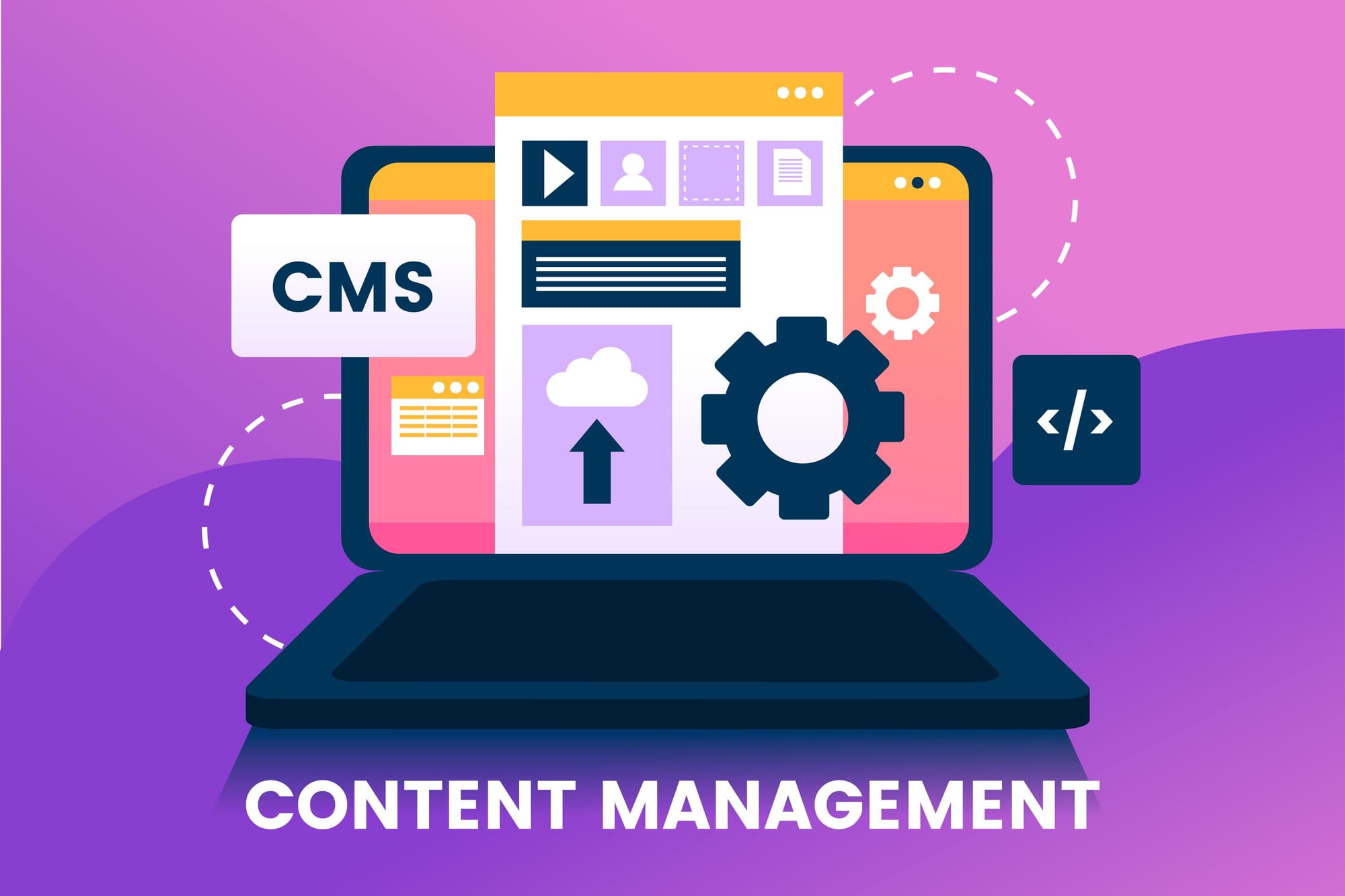
Your choice of CMS or website builder fundamentally affects your website’s technical capability to rank well in search engines and be properly interpreted by AI systems.
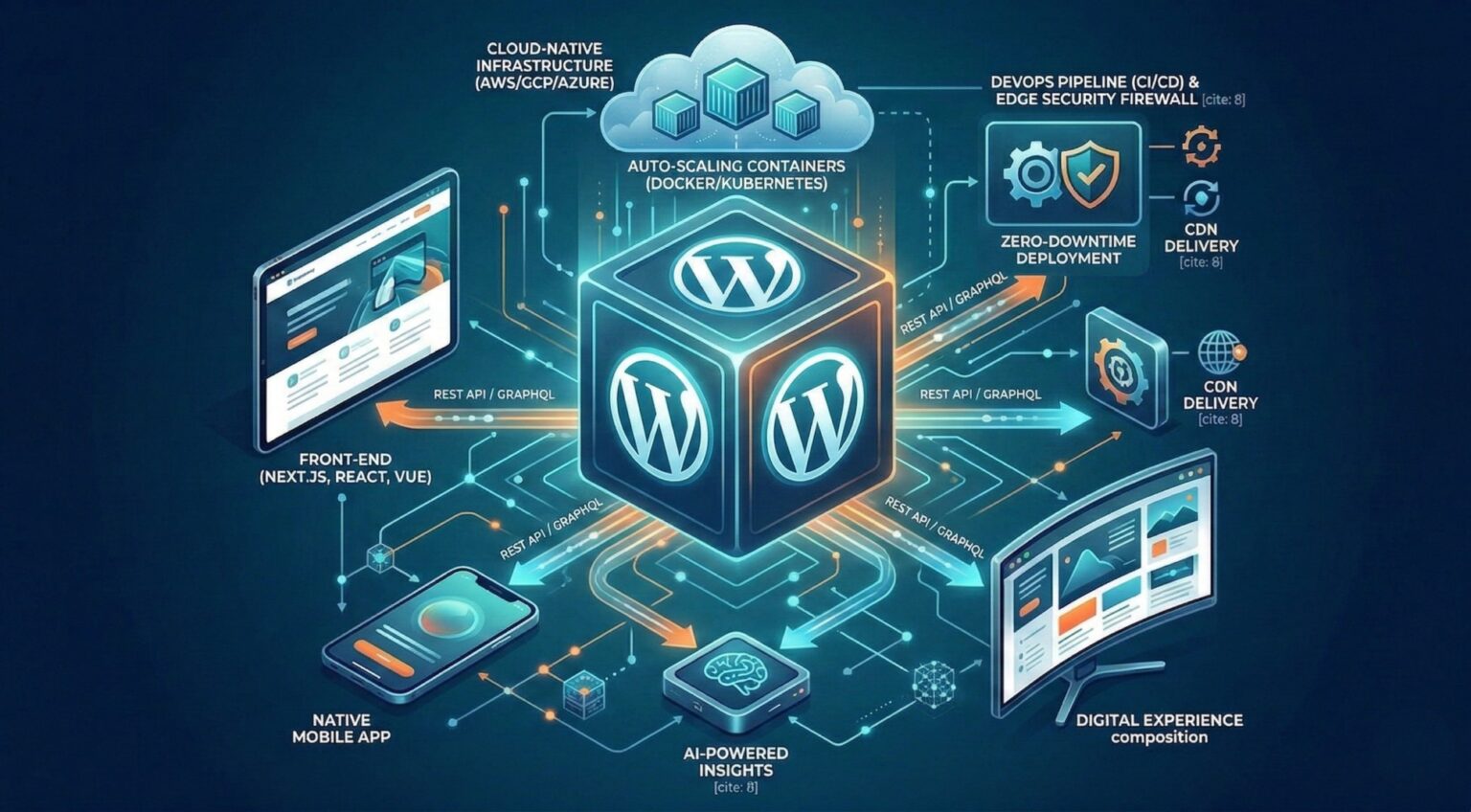
WordPress vs. Drupal vs. Strapi vs. Headless Approaches vs. Website Builders
Each platform brings different strengths and challenges to the table:
| Platform | SEO Strengths | SEO Challenges | AI Optimization Capability | Best For |
| WordPress | Extensive SEO plugin ecosystem, user-friendly content creation | Potential bloat from plugins, security concerns | Good with proper plugins | Content-focused businesses, bloggers, SMBs |
| Drupal | Enterprise-grade security, excellent taxonomy system | Steeper learning curve, more technical setup | Excellent with proper configuration | Large organizations, complex content relationships |
| Strapi | API-first approach, performance | Requires more custom development | Excellent for structured data | Tech-savvy teams, multi-channel content |
| Headless CMS | Maximum flexibility, optimal performance | More complex implementation, higher development costs | Superior when properly implemented | Enterprise needs, complex digital ecosystems |
| Wix | User-friendly, built-in SEO tools | Less flexibility, potential performance issues | Good for basic AI optimization | Small businesses, solopreneurs, beginners |
| Webflow | Visual design flexibility, clean code output | Steeper learning curve than Wix | Very good with proper setup | Designers, creative professionals, brand-focused businesses |
| Framer | Exceptional animation capabilities, modern architecture | Less SEO-focused functionality out of the box | Variable, depends on implementation | Design-forward brands, interactive experiences, portfolios |
AI Listings: The New Frontier in Discovery
The emergence of AI assistants as primary information sources represents perhaps the biggest shift in digital discovery since mobile search. These systems don’t just index your content—they interpret it, summarize it, and present it in completely new contexts.
How AI Systems Evaluate Your Website
Through extensive testing and analysis, I’ve identified several factors that influence how AI (Exdera AI) systems interpret and recommend websites:
- Structured Data Implementation: AI systems heavily rely on schema.org markup to understand your content’s context and relationships.
- Content Clarity and Organization: AI systems prefer content that follows logical structure with clear headings, consistent formatting, and explicit relationships between concepts.
- Question-Answer Formats: Content that directly addresses common questions performs exceptionally well in AI-driven discovery.
- Expert Positioning: Demonstrating clear expertise through comprehensive coverage, proper citations, and authoritative content increases AI recommendation likelihood.
- Technical Accessibility: AI systems prioritize content they can easily parse and interpret, making clean code and proper semantic markup essential.
Simple Tips for Immediate Implementation
After years of optimizing websites, I’ve identified these “quick wins” that almost always improve performance:
- Optimize Core Web Vitals:
- Compress images and implement lazy loading
- Defer non-critical JavaScript
- Eliminate render-blocking resources
- Preload critical assets
- Implement Basic Schema Markup:
- Organization
- Local Business (if applicable)
- Product (for e-commerce)
- FAQ for common questions
- Breadcrumb List for navigation paths
- Create Topic-Focused Content Clusters:
- Identify 3-5 core topics central to your business
- Create comprehensive pillar content for each
- Develop supporting content addressing specific aspects
- Link everything together with logical internal linking
- Audit and Optimize Page Titles and Meta Descriptions:
- Ensure each page has a unique, descriptive title
- Create compelling meta descriptions that encourage clicks
- Include primary keywords naturally in both elements
- Implement Proper Heading Structure:
- Use a single H1 that clearly identifies the page topic
- Create logical H2-H6 structure that outlines content
- Ensure headings accurately represent the content that follows
Conclusion: The Future-Proof Website Strategy
As we navigate this period of rapid change in search and discovery, the fundamentals remain surprisingly consistent: create genuine value for your audience, deliver it in the most accessible way possible, and ensure both human users and automated systems can understand and appreciate your content.
The websites that will thrive in this new ecosystem won’t be the ones that chase every algorithm update or trend—they’ll be the ones built on solid foundations of user value, technical excellence, and authentic communication.
From my years in the trenches of digital design and optimization, I can tell you with confidence: the effort you put into thoughtfully balancing content strategy, design approach, and technical implementation will pay dividends for years to come.
Designing the best website for your business starts with SEO performance and AI optimisation. A future-ready website not only enhances visibility but also drives engagement and growth. Connect with us at [email protected] to create a digital presence that sets you apart.
