

































UX intelligence combines data analysis, user-focused design, and technology to create outstanding user experiences that lead to measurable business growth. It’s the science of determining and delivering your customers’ wants through wise design choices.
User experience has a direct effect on your profits. Companies that focus on providing excellent customer experiences enjoy greater loyalty, a higher willingness to pay premium prices, and significantly more repeat purchases. On the other hand, bad experiences drive customers away—even loyal ones will abandon brands after just one negative encounter.
Data-driven design changes the way you engage with customers. You can create personalized, smooth experiences that foster long-lasting relationships by using insights into behavior and clever technology integration. These 5 UX Intelligence Strategies to Boost Your Business’s Digital Growth will help you use technology as a tool for meaningful connections instead of just a gimmick.
Understanding UX Intelligence in the Digital Era
UX intelligence is a strategic combination of data-driven design principles and Human-centered methods to create exceptional digital experiences. This approach takes raw User behaviour analytics and turns them into actionable insights that guide design decisions and promote business growth.
The Importance of User Behavior Analytics
The foundation of practical UX intelligence lies in understanding how users interact with your digital platforms. User behavior patterns reveal critical information about preferences, pain points, and decision-making processes. By analyzing these behavioural patterns, you can identify:
- Where users drop off
- Which features do they engage with most
- What motivates them to convert
Technology as an Enabler
Modern UX intelligence sees technology as a powerful tool rather than a flashy addition. The best digital experiences come from integrating advanced tools that improve user interactions without complicating things. This means choosing technologies that address real issues and enhance essential user needs like speed, accessibility, and functionality.
The Continuous Feedback Loop
The ongoing feedback loop is the main difference between traditional design methods and UX intelligence. With UX intelligence, you’re not just designing interfaces based on guesses—you’re creating experiences based on actual user data, tested through behavioural insights, and continuously improved by analyzing how people use your digital products.
Strategy 1: Prioritize Speed and Convenience in User Experience
Speed is the key to providing an excellent Customer experience in today’s digital world. Studies consistently show that users leave websites that take longer than three seconds to load, making it crucial to have fast loading times to keep them engaged. By optimizing the performance of your platform, such as through Compressing images and optimizing code, you can directly improve customer satisfaction and retention rates.
Convenience means removing obstacles that annoy users and push them away from your digital platforms. Easy-to-use navigation, intuitive interface design, and simple checkout processes create smooth experiences that encourage users to interact more with your brand.
Consider these optimization approaches for your digital strategy:
- Compress images and optimize code to reduce page load times
- Implement one-click purchasing options for returning customers
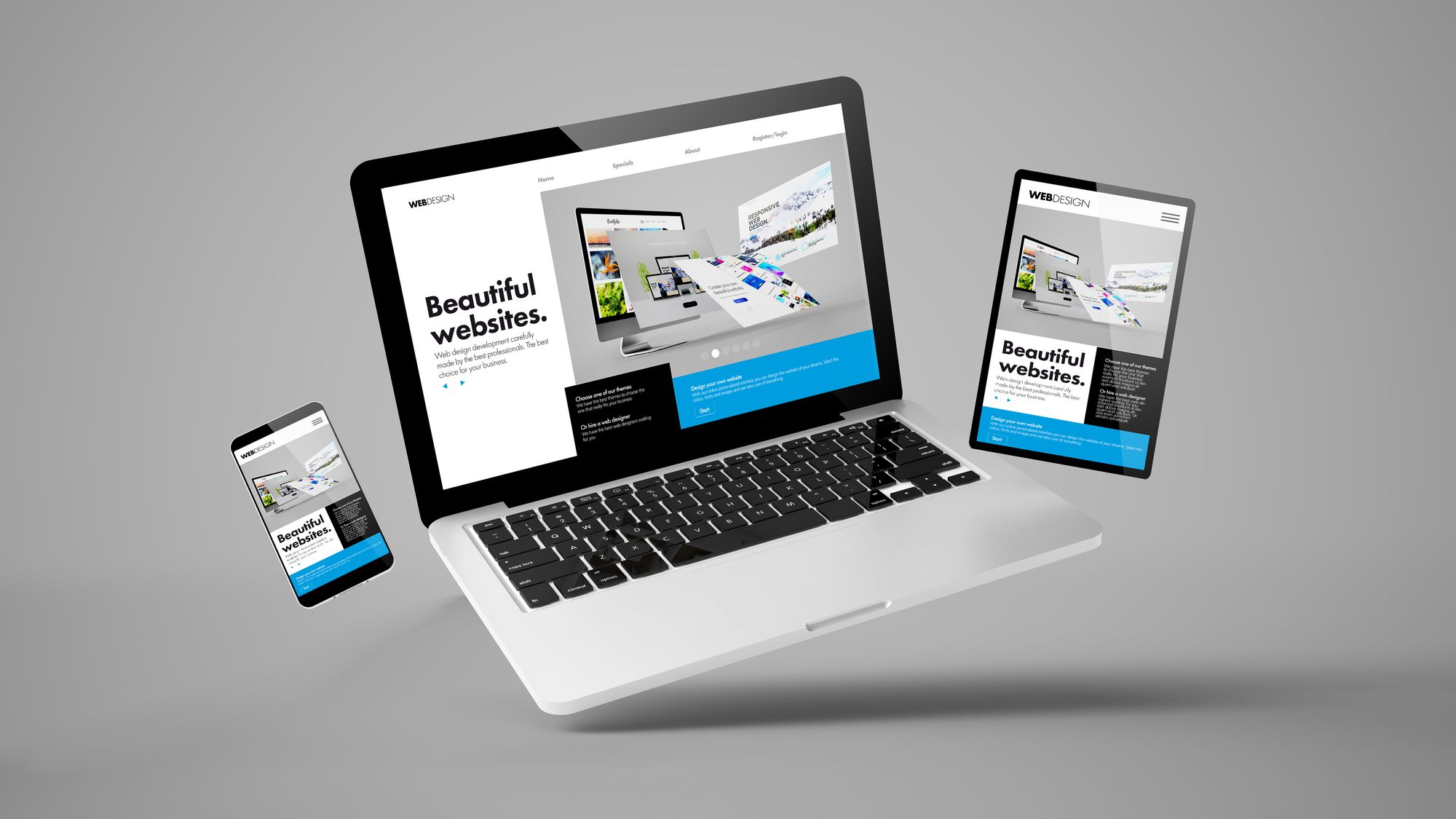
- Design mobile-first interfaces that work flawlessly across devices
- Use predictive search features to help users find content quickly
Companies like Amazon demonstrate this principle through their patented one-click ordering system. At the same time, Google’s emphasis on page speed as a ranking factor reinforces how speed and convenience directly correlate with business success.
Strategy 2: Use Data to Create Personalized Experiences
Data-driven design takes raw user information and turns it into valuable insights that shape personalized digital experiences. You can better understand what your customers really want by using behavioural data from user interactions, purchase history, and browsing patterns. This knowledge uncovers preferences not apparent through traditional surveys or feedback alone.
How to Use Behavioural Data for Personalization
You must utilize this behavioural data to implement personalized content effectively and strategically. Here are some ways you can do this:
- Create dynamic product recommendations based on individual preferences.
- Customize landing pages according to different user segments.
- Deliver targeted messaging that resonates with specific customer interests.
Netflix’s recommendation algorithm is an excellent example of this approach—it analyzes viewing habits to suggest content that keeps users engaged for hours.
The Benefits of Personalized Experiences
The impact on your business metrics can be significant:
- Increased customer loyalty: When you provide relevant experiences tailored to each customer, they are more likely to return and engage with your brand.
- Higher conversion rates: Targeted recommendations based on individual preferences have been proven to drive higher conversion rates than generic offers.
- Greater lifetime value: By helping customers discover products they genuinely desire, you increase the likelihood of repeat purchases and boost their overall lifetime value.
Personalized experiences create emotional connections between your brand and customers. When you show that you understand their needs through customized interactions, customers develop a stronger affinity for your brand and become more inclined to make repeat purchases. This directly supports your goals for digital growth.
Strategy 3: Maintain Consistency Across Devices and Touchpoints
Consistency is crucial for creating exceptional user experiences. It establishes a unified brand journey that customers can rely on, regardless of how they interact with your business. Your multi-device experience should feel like a seamless continuation rather than separate, disconnected encounters.
Understanding Gen Z’s Expectations
Gen Z users perfectly embody this expectation—they start browsing on mobile during their commute, continue research on desktop at work, and complete purchases on tablets at home. Each transition must feel natural and intuitive, with design elements, navigation patterns, and functionality remaining predictable across platforms.
Key Areas for Achieving Consistent UI/UX Design
To achieve consistent UI/UX design, it’s essential to establish clear design systems that govern the following areas:
- Visual elements: Colours, typography, and spacing that translate effectively across screen sizes
- Navigation patterns: Menu structures and user flows that adapt without losing familiarity
- Content hierarchy: Information architecture that maintains logical organization on every device
- Interactive elements: Buttons, forms, and gestures that behave predictably across touchpoints
When users know exactly what to expect from your interface—regardless of their chosen device or entry point—you build trust.
Strategy 4: Add a Personal Touch with Friendly and Knowledgeable Interactions
Friendliness turns online interactions from simple transactions into meaningful connections. You can achieve this by combining automation with empathetic Human touch elements that resonate with your customers emotionally.
Your automated systems should support, not replace, human warmth. Consider implementing:
- Conversational chatbots that use friendly language and acknowledge emotions
- Personalized messaging that reflects your brand’s personality
- Quick escalation paths to human agents when complexity increases
Giving your employees access to customer data and product knowledge enables them to provide excellent service. When your team can see customer history, preferences, and previous interactions, they can offer tailored assistance that feels genuinely caring.
Your interface design is also essential in conveying friendliness. Use warm colours, friendly language, and easy-to-use navigation to create a welcoming online environment. These elements build emotional connections that encourage customers to return, recommend your brand, and develop loyalty to your business.
Strategy 5: Use Automation Wisely to Improve User Experience
Intelligent automation makes complicated processes easy and intuitive for users to navigate. Focus on automating repetitive tasks such as filling out forms, scheduling appointments, or tracking orders while keeping the interface user-friendly and responsive. The goal is to remove obstacles without making things overly complicated for users.
Your automated systems work better when they learn from real human interactions. Customer service chatbots that analyze successful agent conversations can give more accurate answers, while recommendation engines improve by studying user behavior patterns and preferences. This ongoing learning process ensures your automation keeps up with what users expect.
Automation should enhance human connection, not replace it. You can use Intelligent routing to connect users with human agents when conversations get complex or emotional. Features like smooth transitions between automated and human support maintain conversation context, creating a seamless experience. This approach positions automation as a helpful tool that enhances meaningful engagement rather than creating barriers between your business and customers.
The Role of Employee Experience in Supporting UX Intelligence Strategies
Your UX intelligence strategies succeed when your team has the tools and empowerment they need to deliver exceptional customer experiences. Employee experience directly impacts customer satisfaction—empowered employees create meaningful connections that automated systems alone cannot replicate.
How Real-Time Data Access Empowers Employees
Real-time data access transforms how your employees interact with customers. When your team can instantly view customer history, preferences, and current issues, they provide faster personalized solutions. This data-driven empowerment enables employees to anticipate needs and resolve problems proactively.
Lessons from Exdera: Enhancing Customer Service through Integrated Employee Platforms
Companies like Exdera demonstrate how integrated employee platforms enhance customer service delivery. Your employees become an extension of your UX strategies when they have:
- Comprehensive customer insights at their fingertips
- Automated workflows that eliminate repetitive tasks
- Decision-making authority to resolve issues immediately
Creating a Feedback Loop for Continuous Improvement
By implementing best practices such as those outlined in this research on continuous feedback loops, you can create a feedback loop where employee interactions inform your automated systems, continuously improving human and digital touchpoints. Your employees’ expertise guides automation development, ensuring technology enhances rather than replaces human judgment.
Conclusion
Technology is a means to establish meaningful customer relationships, rather than the end goal. These 5 UX Intelligence Strategies to Boost Your Business’s Digital Growth change how you engage with customers by prioritizing their needs in every digital interaction.
You have the resources to design experiences that promote Digital growththrough speed, personalization, consistency, human connection, and intelligent automation. Each strategy complements the others, forming a holistic approach that converts casual visitors into devoted supporters.
The businesses that succeed leverage UX intelligence strategies as their unique advantage. Begin applying these methods today—your customers are eager for experiences that genuinely comprehend and cater to them. At Exdera, we’ve witnessed how these strategies foster sustainable growth beyond immediate sales figures.
